

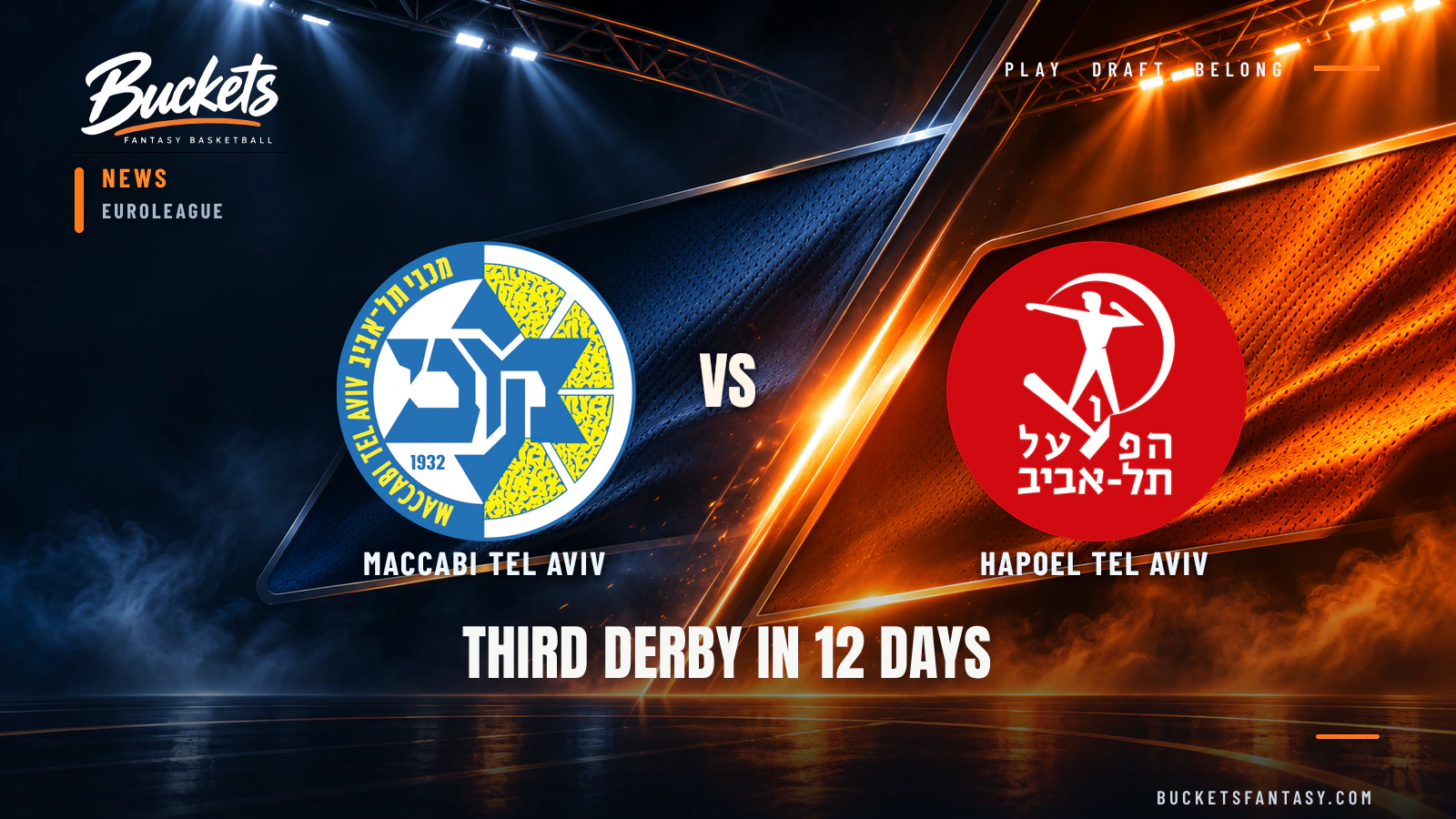
Maccabi Tel Aviv and Hapoel Tel Aviv are about to play their third derby in 12 days, and the first two have given each side a compelling argument. Hapoel won their domestic league meeting 105–87 on 1 November. Maccabi answered with an 86–75 victory in Monday's Israeli League Cup final. Now the rivalry moves to the EuroLeague, with Thursday's Round 11 meeting scheduled for 21:05 local time at the Spyros Kyprianou Athletic Centre in Limassol, Cyprus. Maccabi's official fixture listing confirms the neutral venue and tip-off.
The cup final is the freshest clue to how Maccabi might turn their EuroLeague season around. They trailed 44–36 at half-time and 62–51 after three quarters, then produced a remarkable 35–13 closing period to win by 11. That isn't a narrow escape built on one late basket; it's a complete reversal of who controlled the final ten minutes. The Winner Cup final result and scoring show how sharply the game changed after Hapoel had spent most of the night in front.
But Maccabi's 2–8 EuroLeague record is a different kind of problem from winning a domestic cup final. Their previous European outing ended in an 88–67 defeat at Partizan on 6 November. Maccabi made just five of 23 three-point attempts, while Partizan hit 14 and finished with 27 assists to Maccabi's 16. The Round 10 match statistics tell a familiar story for a struggling attack: when the ball stops finding open shooters, opponents can load up on the first action and turn every missed possession into more pressure.
Hapoel enter with a 6–4 EuroLeague record and considerably more attacking firepower, even after a 93–90 loss to Barcelona on 5 November. Elijah Bryant scored 25 and Vasilije Micić added 24 points and seven assists. Hapoel still lost the rebounding contest 38–28 and managed only 12 team assists. Those numbers matter against a rival that has just beaten them with a huge fourth-quarter surge. The Barcelona box score shows that Hapoel can generate points from its best creators, but also how quickly the margin for error shrinks when opponents secure extra possessions.
There's a tactical tension in this third meeting. Hapoel's 105-point domestic performance suggests they can push Maccabi into a scoring contest, where Micić's passing and Bryant's ability to get to the line become difficult to contain. Maccabi's cup victory points the other way: make Hapoel work late in possessions, stay attached to shooters and keep enough energy to attack in the fourth. The danger for Maccabi is chasing that cup-final feeling without first fixing the perimeter spacing and shot quality that deserted them against Partizan.
For Hapoel, the most useful adjustment is on the glass. Barcelona's rebounding advantage gave the visitors more ways to survive Hapoel's scoring runs. Securing defensive boards against Maccabi would also take away the chance of another late avalanche of second opportunities. Hapoel don't need every possession to end with Bryant or Micić creating something difficult; cleaner ball movement and an early decision to attack an advantage would make their scoring harder to predict.
The recent results list captures the unusual sequence: Hapoel by 18 in the league, Maccabi by 11 in the cup, and a European meeting just three days later. Neither previous score settles Thursday's game. What it does establish is a very specific contest between Hapoel's stronger EuroLeague body of work and Maccabi's newly demonstrated ability to turn a derby in the final quarter. This time, the stakes include more than local bragging rights: Maccabi need to make a cup-final response count in Europe, while Hapoel can put another gap between the clubs in the standings.
Comments